Cold Pockets, Hot Vapour: How to Carry and Protect Your HK Vape Gear Through an Australian Winter
Australia's winter gets a bad rap for being mild — and honestly, compared to, say, a Melbourne tram stop in July at 6am, that reputation needs a rethink. Southern states drop hard, alpine regions get genuinely brutal, and even Brisbane vapers start layering up by June. The point is, cooler weather changes how you carry, store, and use your vape gear in ways most people don't think about until something goes wrong.
If you're running a premium device sourced from Hong Kong — the kind with proper build quality, decent battery capacity, and flavour profiles that actually deliver — you've got a solid foundation. But cold weather is indiscriminate. It'll mess with your battery, affect your coil performance, and suddenly that sleek device you love feels like a brick rattling around in a coat you've only worn three times this year.
Here's how to sort it out properly.
Why Cold Weather and Vape Batteries Don't Get Along
Lithium-ion batteries — the type powering virtually every quality vape device — are temperature sensitive in ways that matter practically. When ambient temperatures drop, internal resistance in the battery increases. What that means for you: reduced output, shorter battery life between charges, and in some cases, devices that fire inconsistently or not at all until they warm up.
You don't need to be vaping in the Snowy Mountains for this to kick in. Leaving your device in a car overnight in Canberra or Hobart during winter is enough to cause noticeable performance dips the next morning. The fix isn't complicated, but it requires a bit of intentionality about where your gear lives when you're not actively using it.
Keep your device close to your body whenever possible. Inner jacket pockets, inside coat layers, or a bag that sits against your body all help maintain a temperature range where your battery performs normally. Think of it less as hiding your gear and more as keeping it comfortable.
Pocket Strategy: Where Your Device Actually Lives Matters
Winter clothing is genuinely useful for carrying vape gear discreetly — there's just more real estate to work with. But not all pockets are created equal, and a bit of thought goes a long way.
Outer coat pockets are convenient but expose your device to the full cold. Fine for short trips between doors, but not ideal for extended outdoor time. If this is your go-to spot, consider a small soft pouch to insulate the device slightly and protect it from keys, coins, and other pocket debris.
Inner chest pockets are the gold standard. Body heat keeps the battery in a comfortable operating range, the device is genuinely out of sight, and access is easy enough without being obvious. Most quality winter jackets — think the kind you'd grab for a day in the Dandenong Ranges or a weekend in the Blue Mountains — have at least one decent inner pocket.
Hoodie pockets are a classic but come with trade-offs. The kangaroo pocket at the front works, but it's not secure, and front-loading pockets mean your device is essentially horizontal half the time, which isn't ideal for tanks with any liquid. Side hoodie pockets (if your hoodie has them) are better.
Bag carry is worth considering if you're out for a full day. A small zip-up internal pouch in a daypack keeps everything together — device, spare pods or coils, charging cable — without taking up jacket space. The downside is slightly slower access, but for a lot of vapers, that's actually a feature rather than a bug.
Protecting Your Device from the Elements
Winter in coastal Australian cities often means wind and rain alongside the cold. Your Hong Kong vape gear is generally well-built, but that doesn't mean it's designed to sit in a damp pocket or get caught in a Sydney southerly.
A few practical habits help here. A silicone sleeve or basic protective case adds a layer of water resistance and shock absorption without adding much bulk. Most are slim enough to not change how the device sits in a pocket. For devices with exposed charging ports or fill points, a small piece of electrical tape or a purpose-made port cover keeps moisture out when you're moving through wet conditions.
If you're caught in rain, tuck the device into an inner layer rather than leaving it in an exposed pocket. It sounds obvious, but it's the kind of thing that only registers after you've had a soggy coil situation once.
Vapour Production in Cold Air: What to Expect
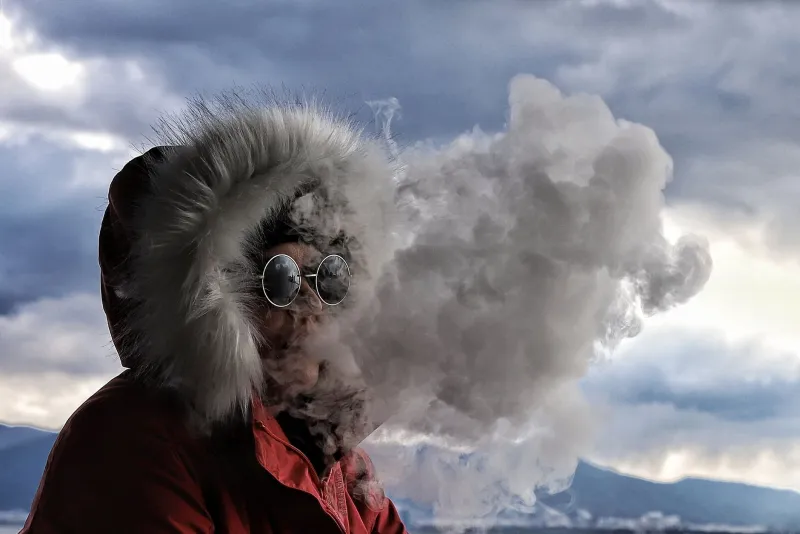
Here's something worth knowing: cold air changes how your vapour behaves visually. Cooler ambient temperatures make clouds denser and more visible — the same physics that makes your breath visible on a cold morning. If low-profile vaping is your preference, this is worth factoring in during winter.
It doesn't mean you need to change your device or drastically alter your habits, but being aware that your exhale is going to be more visible in cold air helps you make smarter choices about timing and positioning. Facing into the wind rather than away from it, for instance, disperses vapour faster. Exhaling downward rather than straight ahead also reduces how noticeable it is at eye level.
MTL (mouth-to-lung) devices, which tend to produce tighter, smaller draws anyway, are naturally lower profile in cold weather. If you're already running an MTL setup sourced from HK — and there are genuinely excellent options in that category — you're already ahead of the curve on this one.
Keeping Your Coils Happy When It's Cold
Coils that have been sitting in a cold device need a moment to warm up properly. Firing a cold coil hard right out of a freezing pocket is a good way to get a burnt hit and shorten coil life. A simple habit: take a couple of gentle primer puffs before your first proper draw after the device has been in the cold for a while. It lets the coil and liquid reach operating temperature gradually rather than spiking immediately.
Also worth noting — high-VG e-liquids thicken in cold temperatures. If you're running a device that uses thicker juice, you might notice slightly slower wicking in cold conditions. Again, not a disaster, just something to account for with those initial puffs.
The Bottom Line on Winter Carry
Winter actually makes carrying vape gear easier in a lot of ways — more layers, more pocket options, more natural reasons to have your hands inside a coat. The main things to stay on top of are battery warmth, moisture protection, and the fact that cold air makes your vapour more visible than you might be used to.
Premium HK devices are built to handle real-world use, but a bit of seasonal awareness keeps them performing at their best and keeps your setup genuinely inconspicuous through the cooler months. Sort out your pocket strategy, keep the device close to your body when it's really cold, and give your coil a gentle start after it's been sitting in a cold bag or car. That's honestly most of it.
Winter doesn't have to be complicated. Neither does your vape setup.