Cleared for Takeoff: What Australian Vapers Actually Need to Know at the Border
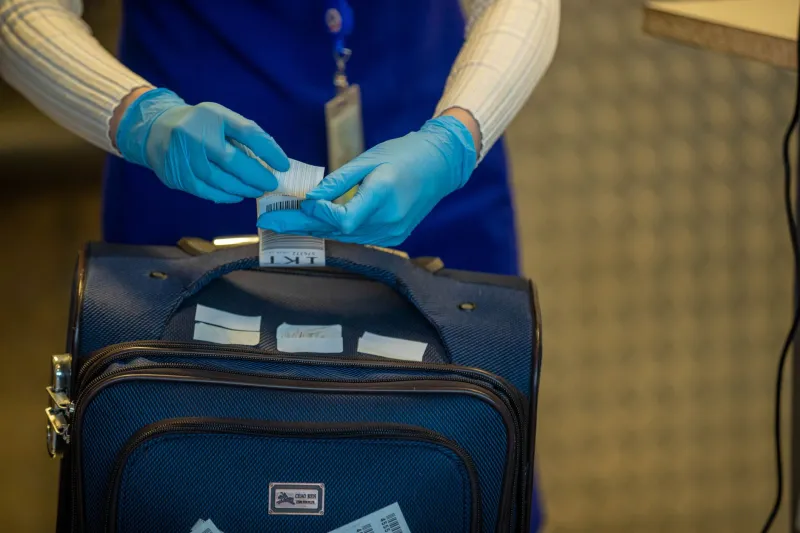
So you've done the smart thing — ordered quality vaping gear from Hong Kong, or maybe you picked some up while you were over there in person. Now you're standing at the departure gate, bag packed, and suddenly wondering: is this going to be a problem at Australian customs?
Short answer: it depends. Long answer: keep reading.
Australia's approach to vaping products at the border is layered, occasionally contradictory, and has changed enough times in recent years that even seasoned travellers get caught off guard. This guide cuts through the noise and gives you the actual, on-the-ground reality of travelling with your Hong Kong vape gear.
What the Law Actually Says (And What It Doesn't)
Let's start with the baseline. As of the current regulatory framework, importing nicotine-containing vaping products into Australia for personal use requires a valid prescription. That rule applies whether you're ordering online or physically carrying product through the airport. No prescription, no legal nicotine e-liquid — full stop.
However — and this is where it gets interesting — the regulations around the devices themselves are a separate matter. Hardware like mods, pod systems, and tanks that don't contain nicotine aren't subject to the same prescription requirement. A quality device from Hong Kong, clean and unfilled, is generally considered personal effects and can be brought in without the same level of scrutiny.
The catch? Customs officers aren't always drawing that distinction clearly at the gate. So the more prepared you are, the smoother your experience.
Carry-On vs. Checked Luggage: Where Your Gear Belongs
Here's a rule that applies regardless of destination: vape devices and batteries must travel in carry-on luggage, not checked bags. This is an aviation safety regulation, not a customs rule — lithium batteries in the hold create fire risk, and airlines enforce this seriously. Getting caught with a device in your checked bag can result in the whole bag being pulled, which creates a much bigger headache than the device itself.
For carry-on, you're generally allowed:
- Up to 20 spare lithium batteries (with restrictions on watt-hours)
- Your device, preferably in a protective case
- Any accessories that don't contain liquid or nicotine
E-liquid follows standard aviation liquid rules on top of customs rules — 100ml containers in a clear zip-lock bag for carry-on, and that's before you even get to the nicotine question. Practically speaking, most Aussie vapers travelling with nicotine liquid either carry a prescription copy or simply pack it in a way that's clearly for personal use (small quantities, used bottles, not commercially packaged stock).
The Declaration Question
Australia's incoming passenger cards ask you to declare goods that may be prohibited or subject to restrictions. Nicotine products fall into that category. The question most vapers wrestle with: do I tick yes or no?
Tick yes. Always.
This isn't just about following the rules — it's about protecting yourself. If you declare and your items are inspected, you have the opportunity to present your prescription or explain your situation. If you don't declare and you're caught, you're now dealing with a potential false declaration issue on top of whatever the product situation is. That's a much worse place to be.
Declaring doesn't automatically mean confiscation. Border officers make judgement calls constantly, and personal-use quantities declared honestly are treated differently to undeclared commercial quantities.
Real-World Scenarios at Australian Airports
Scenario 1: You've got a device, no liquid Generally low risk. A clean device with no nicotine content is hardware, and hardware doesn't carry the same regulatory weight. Have your receipts handy if it's a premium piece — expensive-looking gear can trigger questions about commercial importation.
Scenario 2: You've got nicotine e-liquid and a prescription You're in the clearest position. Carry a printed or digital copy of your prescription. Keep quantities reasonable — personal use quantities are typically interpreted as a few months' supply, not a year's worth.
Scenario 3: You've got nicotine e-liquid and no prescription This is the grey zone. Officers have discretion. Small personal-use quantities are sometimes passed through with a warning, sometimes confiscated. It's not a guaranteed disaster, but it's genuinely unpredictable and not a situation you want to be relying on. The prescription pathway exists for a reason.
Scenario 4: You've ordered online from Hong Kong Postal imports follow the same prescription rules. Australian Border Force does inspect international parcels, and nicotine products without documentation can be seized. Reputable international retailers — including those operating out of Hong Kong — understand this landscape and can advise on compliant shipping options.
Tips That Actually Help
Keep receipts and documentation accessible. If your gear is premium Hong Kong hardware, having proof of purchase can clarify that you're a consumer, not a commercial importer.
Don't overstuff your carry-on with vaping gear. One device, a couple of coils, a charger — that reads as personal use. Five devices and twenty bottles of liquid reads as something else entirely.
Research the specific airport. Sydney, Melbourne, Brisbane, and Perth all have different volumes of international traffic and different levels of customs scrutiny. High-traffic international hubs tend to be more systematically thorough.
Know your battery specs. If you're travelling with spare batteries, know the watt-hour rating. Aviation rules cap individual lithium batteries at 100Wh for carry-on without airline approval, and 160Wh with approval. Most vape batteries fall well under this, but knowing your specs makes you look prepared rather than suspicious.
Don't try to disguise anything. Wrapping a device in clothing or burying liquid at the bottom of a bag doesn't fool scanning equipment and creates the impression of deliberate concealment — which is the worst possible read a customs officer can have of you.
The Bigger Picture
Australia's vaping regulations are genuinely some of the most complex in the developed world, and they've shifted significantly over the past few years. The prescription model, while frustrating for many vapers, does create a legitimate pathway for importing nicotine products — including quality gear sourced from Hong Kong.
The vapers who navigate this smoothly are the ones who do their homework before they travel, not at the arrivals gate. Know what you're carrying, have your documentation sorted, and declare honestly. It's not glamorous advice, but it's the advice that actually keeps your gear in your hands instead of in a confiscation bin.
Hong Kong puts out some genuinely exceptional vaping hardware, and it'd be a shame to lose it to a preventable border situation. Travel smart, declare right, and enjoy the kit you came for.