Ordering Vapes from Overseas? Here's What Actually Draws Customs Attention in Australia
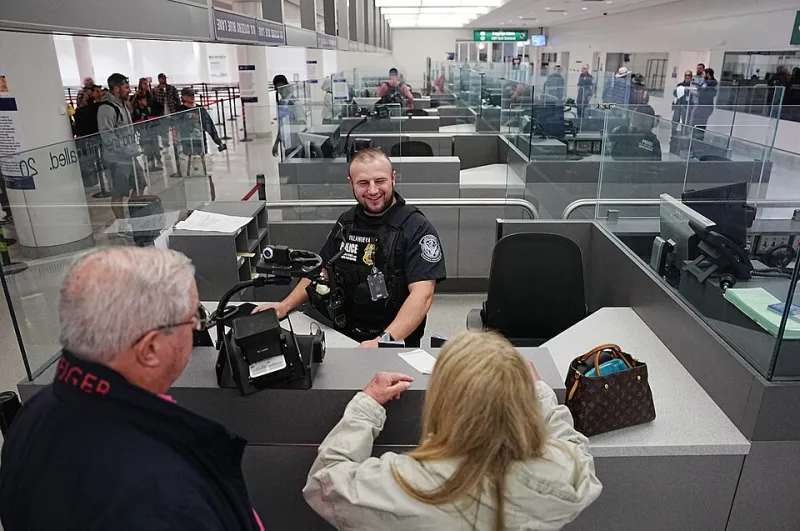
Photo: CBP Photography, Public domain, via Wikimedia Commons
Let's be upfront about something: importing vaping products into Australia for personal use is legal. That's the baseline. The complications arise when packages get flagged, held, or misclassified — and that happens more often than it should, usually for reasons that are entirely avoidable.
If you're ordering from a Hong Kong retailer and you want your gear to arrive without drama, it helps to understand how Australian Border Force (ABF) actually makes decisions about what gets a second look.
What Customs Is Really Looking For
ABF isn't specifically hunting for vape gear in every parcel that lands at Sydney or Melbourne airports. They're running risk-based assessments across millions of items annually, using a combination of automated flagging, profiling data, and physical screening.
The key distinction they're trying to make is this: is this a personal import, or is this a commercial one?
Personal imports of vaping products — including nicotine-containing e-liquids under Australia's current framework — have a different legal status to commercial importation. Getting that distinction right, and making it obvious to the people processing your package, is the entire game.
Here's what tends to draw attention.
Volume: The Number One Flag
Quantity is the clearest signal customs looks at. A single device, a small coil pack, and two or three bottles of e-liquid reads immediately as personal use. Twenty bottles, multiple devices of the same model, and bulk accessories reads as stock for resale — even if it isn't.
There's no hard legal number that defines "personal use" in Australian import law, which is precisely why exercising common sense about order size matters. Experienced importers generally keep individual orders modest and spread purchases over time rather than placing one enormous order.
If you genuinely need larger quantities — say, you're stocking up before an extended trip or you have a specific reason for buying in volume — that's a different conversation, but it's worth being aware that larger orders attract more scrutiny.
Packaging and Labelling Choices
How a package is described on its customs declaration matters significantly. Reputable Hong Kong retailers understand this and typically use accurate but neutral product descriptions. "Electronic cigarette accessories" or "personal vaporiser" are accurate descriptions that sit comfortably within known import categories.
Problematic declarations are ones that are vague to the point of seeming evasive, or ones that misdescribe the contents entirely. Misdeclaration is a customs offence regardless of what's actually inside — and it's not something any legitimate retailer should be doing on your behalf.
When ordering, it's worth checking what declaration practice your supplier uses. At Vapes HK, declarations are handled accurately, which keeps things clean at both ends.
The Nicotine Question
Nicotine-containing e-liquids have their own regulatory layer in Australia. Under the current framework, importing nicotine vaping products for personal therapeutic use requires a valid prescription from an Australian medical practitioner. This is a real requirement, not a technicality.
If you're importing nicotine e-liquids, having your documentation in order is essential. A valid script on file — which you can obtain through telehealth services relatively straightforwardly — gives you a clear, legitimate basis for the importation. Without it, nicotine-containing products are the most likely category to generate a formal customs issue.
Nicotine-free e-liquids and hardware (devices, coils, accessories) don't carry the same prescription requirement and generally pass through without issue.
Shipping Method Signals
This one surprises people: the shipping method you choose can influence how a parcel is processed.
Express courier services (DHL, FedEx, UPS) route packages through commercial freight channels where customs processing is faster but scrutiny can be more systematic. Standard postal services route through Australia Post's international mail stream, which has different processing characteristics.
Neither is universally "safer" — the contents and declaration are what matter most. But understanding that different shipping pathways exist, and that your retailer's choice of carrier affects the journey, is useful context.
What Experienced Importers Do Differently
There's no magic trick here. The vapers who consistently receive their orders without hassle tend to share a few common habits:
They order proportionate quantities. Enough for personal use over a reasonable period, not enough to stock a shop shelf.
They keep their documentation ready. If importing nicotine products, their prescription is current and accessible. If customs does request documentation, they can respond quickly and clearly.
They use established retailers. Buying from a retailer with a track record of international shipments to Australia — one that understands the declaration requirements — eliminates a lot of the risk that comes with unknown suppliers.
They're patient with processing times. Occasionally, parcels are held for routine screening. Experienced importers don't panic, don't contact customs repeatedly (which can complicate things), and simply wait for the standard process to run its course.
They don't overthink it. The vast majority of personal-use vape imports clear Australian customs without any issue whatsoever. Treating the process as inherently adversarial creates unnecessary stress.
The Grey Zone: Where Things Get Complicated
The genuinely complicated territory is when someone is importing for personal use but the order profile looks commercial — large quantities, multiple identical items, frequent repeat orders in short succession.
This isn't about crossing legal lines. It's about managing appearances in a system that makes judgements based on patterns. If your ordering behaviour looks like a small retail operation, it may get treated like one.
Spacing out orders, keeping individual consignments to a sensible size, and being consistent in how you present yourself as a personal-use importer are all just good sense.
Staying on the Right Side of Things
Australia's import framework for vaping products is navigable. It requires awareness, some basic documentation hygiene, and a retailer who knows what they're doing on their end.
Ordering from a Hong Kong-based retailer like Vapes HK means you're working with a supplier experienced in international shipments to Australian customers. That experience matters more than most people realise — a retailer who gets the declaration right, ships through appropriate channels, and packages orders sensibly is doing half the work for you before the parcel even leaves Hong Kong.